

When routine creates complacency Routine is necessary in every workplace. Repetition allows people to develop skill, work efficiently and perform tasks with confidence. The risk begins when familiarity changes the way hazards are perceived and controlled. Familiarity can hide changing risk Routine work often feels safe because it is predictable. Employees know the task, know […]
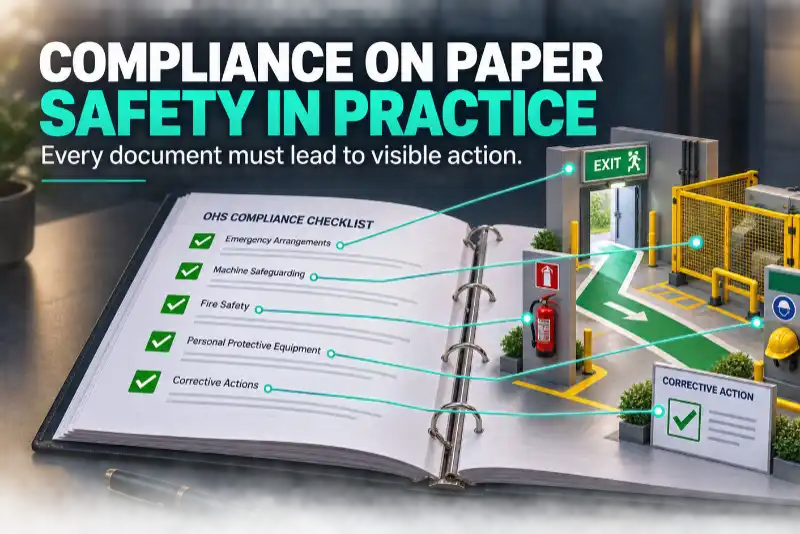
A workplace can have an impressive health and safety file and still have serious hazards on the floor. Documents are important, but they should provide evidence that the safety system is working. They should not become a substitute for action. Documentation has a purpose Appointments, risk assessments, procedures, inspection records, training records and committee documents […]
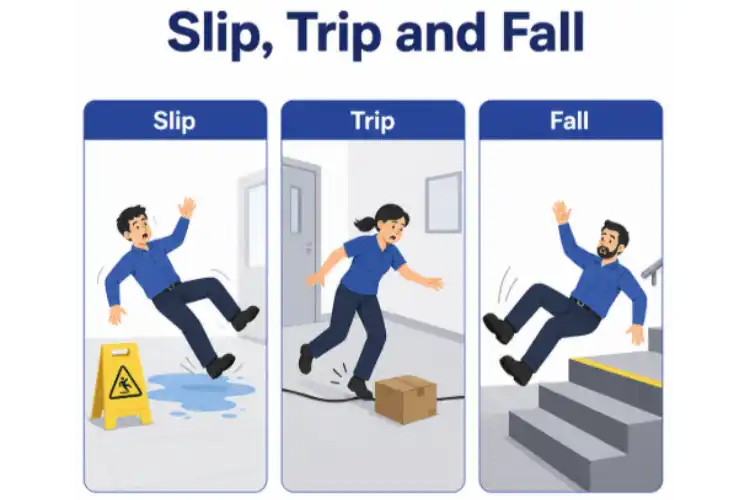
Have you ever almost slipped, tripped or fallen? Most people have had a moment where they nearly slipped on a wet floor, tripped over a cable, missed a step, or lost their balance while carrying something. Often, people laugh it off and carry on. However, in the workplace, a near miss of this nature must […]
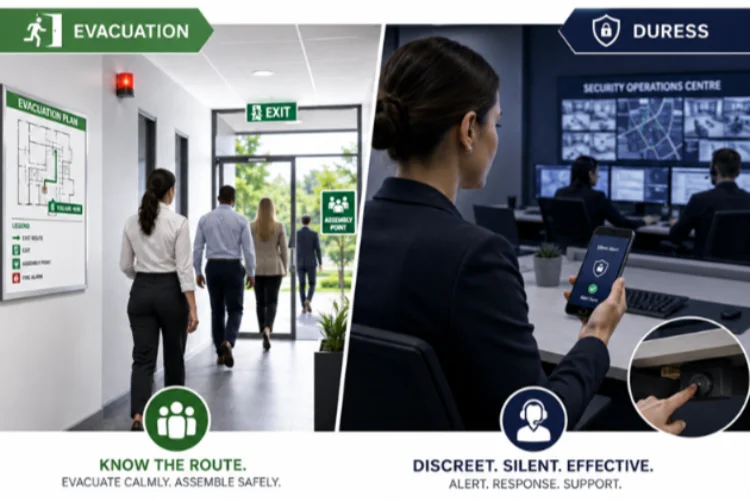
When the emergency plan is in the file, but the workplace is not ready. Many South African workplaces have an emergency plan somewhere in the safety file. The plan may have been drafted during an audit, copied from a previous template, placed in a folder, and updated only when someone asks for it. Evacuation diagrams […]
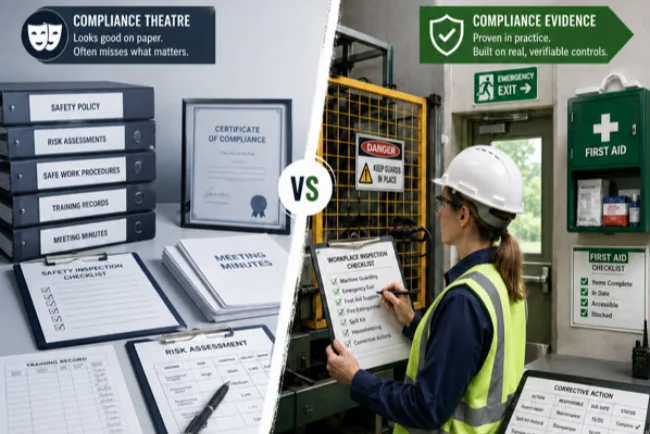
When paperwork looks impressive but the workplace tells a different story. Many South African workplaces have become very skilled at producing occupational health and safety paperwork. Safety files are neatly indexed. Appointment letters are signed. Inspection registers are available. Policies are printed. Certificates are copied. Committee minutes are filed. On the surface, the organisation appears […]

When meetings become an attendance exercise instead of a legal control In many South African workplaces, the health and safety committee exists on paper, meets occasionally, and produces minutes that appear respectable at first glance. Names are recorded, apologies are noted, and a few standard agenda items are repeated from quarter to quarter. Yet nothing […]

Why first aiders, firefighters and safety reps can become a compliance weakness instead of a control Many South African workplaces can produce appointment letters on demand. Files are signed, names are listed, and certificates are copied neatly into the safety file. On paper, everything appears in order. Yet safety professionals know that this is often […]

Many employers believe that once a safety file has been compiled, occupational health and safety compliance is largely under control. A file may appear complete on inspection: appointments are signed, registers are present, policies are filed, and certificates are inserted in the correct sections. Yet in practice, a large number of workplaces in South Africa […]
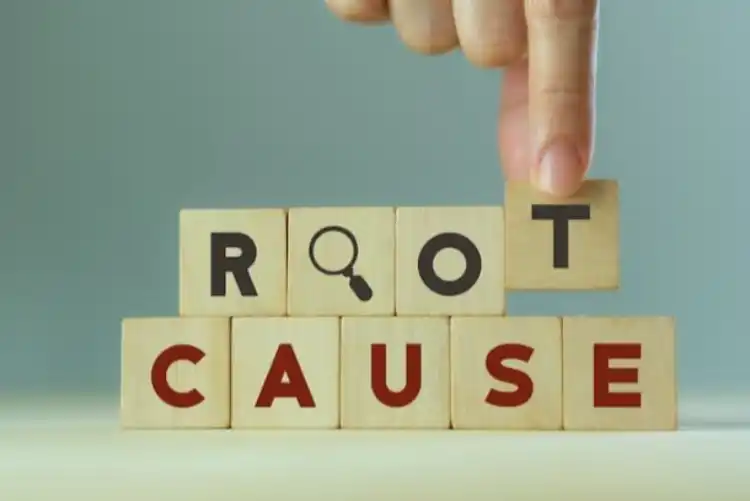
Did you know that accidents start before someone gets hurt. In many small and medium-sized businesses, when an incident happens the first question asked is often: “Who made the mistake?” While this reaction is understandable, it rarely leads to meaningful prevention. Incidents almost never occur because of one person or one action. They develop over […]

In Occupational Health and Safety (OHS), the terms near miss, incident and accident are often used interchangeably. The Occupational Health and Safety Act, 85 of 1993 (OHSA), however, places clear importance on understanding the distinction between them, as this directly affects compliance, reporting duties, corrective action and the prevention of claims, lost man-hours, injury, property […]